Recycling and Sustainability at Gardening Gardener
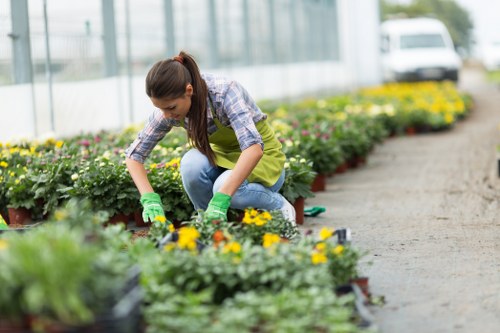 Gardening Gardener is committed to a measurable and ambitious approach to recycling and sustainability. Our aim is to divert a large portion of garden and household green waste from landfill: we have set a clear recycling percentage target of 85% diversion for organic and recyclable materials by 2030. This target reflects our belief that sustainable gardening and gardener recycling programs can scale when combined with careful logistics, community partnerships and transparent reporting. By aligning our operations with boroughs' evolving waste policies, we make sure every gardener's effort contributes to real, local environmental benefits.
We coordinate closely with local authorities to follow the boroughs' approach to waste separation: many boroughs now operate separate streams for food waste, garden organics, dry recycling and residual waste, and we design our garden recycling collections to match those streams. Our sustainable gardening practices include on-site separation of materials into compostables, wood and chippings, metals and plastics, and mixed green waste. Gardener recycling initiatives reduce contamination and improve recovery rates when our collections enter municipal sorting and composting systems.
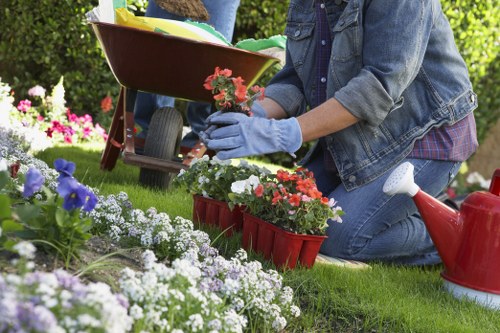 Core operational measures are built into our day-to-day work: we use local transfer stations and borough transfer depots to minimize haulage distances and emissions, partner with community charities to redistribute usable materials, and run a fleet of low-carbon vans for collections. The local transfer stations we regularly use include municipal transfer hubs that accept segregated green waste and recyclable materials; this reduces double-handling and keeps the carbon footprint of transportation low. Our list of recyclable streams includes:
- Garden organics for composting and anaerobic digestion
- Plant pots and plastic trays suitable for specialist recycling
- Prunings and woody material for chipping and biomass processing
- Metals and tools recovered for reuse or recycling
Local transfer stations and waste routes
We prioritise using nearby transfer stations and borough collection points to shorten travel times and avoid unnecessary emissions on the road. This locality-first strategy means that collected materials spend less time in transit and more time being processed into compost, mulch or recycled feedstocks. Our operational routes are planned to match borough kerbside schedules and to feed directly into municipal composters and licensed transfer facilities. By feeding separated streams into the correct local infrastructure we help increase the yield of usable compost and recycled products.
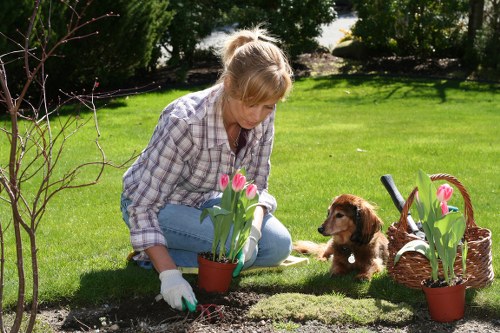 Partnerships with charities are a central pillar of our sustainability work. We work with community groups and local charities to ensure items that are still useful are diverted from the recycling stream and put to new use: usable plant pots and tools are refurbished and donated; surplus topsoil and clean compost is shared with community allotments; larger clean timber can be converted into raised bed frames for social projects. These partnerships not only reduce waste but also support food-growing initiatives and local biodiversity projects in the area.
Our collaborations are governed by simple principles: transparency, safety and value. We ensure that materials handed to charity partners meet health and safety standards and are sorted to be genuinely reusable. Garden Recycling with civil society organisations strengthens the circular economy at a neighbourhood level and brings the benefits of sustainable gardening directly into communities that need them most.
Low-carbon vans, route optimisation and green procurement
 Low-carbon vans form the backbone of our low-emission approach. Gardening Gardener operates a fleet that includes electric and hybrid vans, and we continually replace older diesel vehicles with zero-emission options as part of our fleet renewal plan. Beyond the vehicle type, we invest in route optimisation software to reduce mileage, idling and congestion. These measures lower the carbon intensity of each tonne of material moved and contribute directly to achieving our 85% recycling diversion target.
We also focus on green procurement and material life-cycles: when buying tools, planters or landscaping supplies we prefer recycled-content products and vendors that demonstrate strong end-of-life recycling or take-back schemes. Recycling sustainability in purchasing decisions reduces upstream carbon and supports suppliers who are serious about circularity. Our teams carry clear guidance on-site to ensure materials are separated correctly and delivered to the right local transfer station or charity partner.
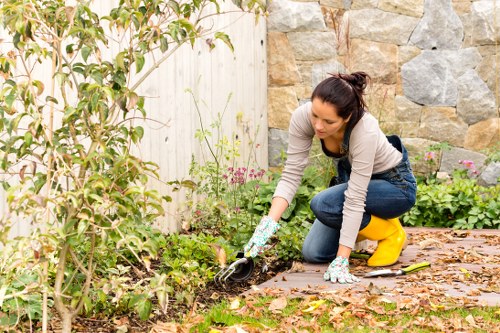 In summary, the Gardening Gardener approach to recycling and sustainable gardening combines a high recycling percentage target, integration with borough waste separation systems, regular use of local transfer stations, active partnerships with charities and a low-carbon transport strategy. Gardening Gardener sustainability isn't just a page of promises: it's a practical operational model that diverts waste, supports community projects and reduces greenhouse gas emissions. We continuously monitor progress against our targets and adapt as local borough policies and recycling technologies evolve, ensuring long-term resilience and environmental benefit from every garden we care for.