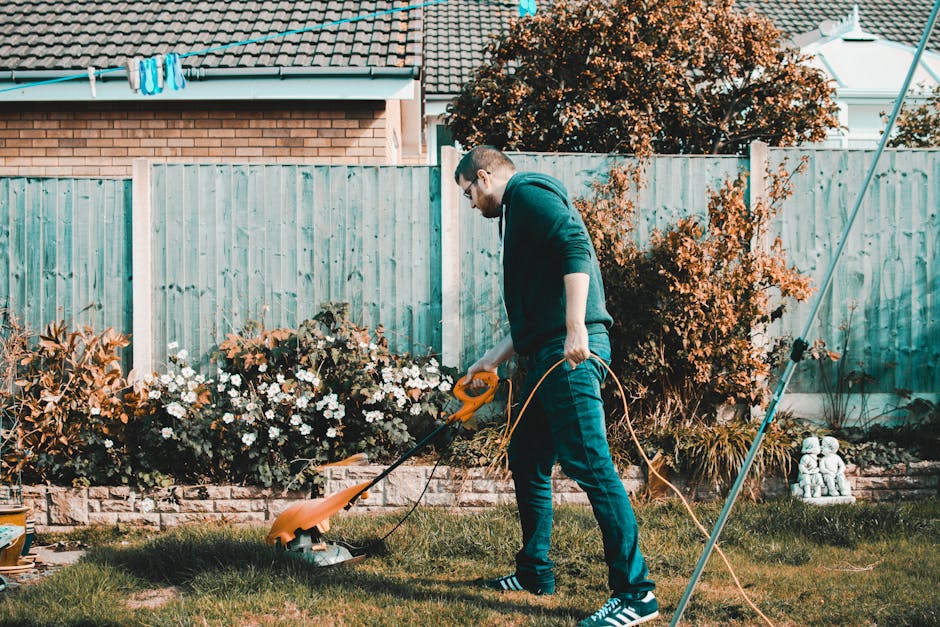
What gardeners charge in the UK real cost breakdown
Trying to work out what a gardener should charge in the UK can feel a bit like pricing a car repair over the phone: you know the answer exists, but it depends on what's actually happening once someone turns up and looks properly. A quick tidy might be fairly modest, while a full garden overhaul, hedge cut, waste removal, and a patch of neglected borders can add up fast. That's why a real cost breakdown matters.
In this guide, we'll look at what gardeners charge in the UK in practical, everyday terms. We'll break down hourly rates, day rates, common job prices, the reasons quotes vary, and what you should expect to pay for different types of garden work. We'll also cover how to compare quotes properly, avoid hidden costs, and choose the right kind of service for your garden without paying over the odds.
If you're comparing providers, it helps to understand the structure behind the price, not just the final number. For readers who want to go deeper into the quote process, the pricing and quotes guidance is a useful companion piece.
Table of Contents
- Why What gardeners charge in the UK real cost breakdown Matters
- How What gardeners charge in the UK real cost breakdown Works
- Key Benefits and Practical Advantages
- Who This Is For and When It Makes Sense
- Step-by-Step Guidance
- Expert Tips for Better Results
- Common Mistakes to Avoid
- Tools, Resources and Recommendations
- Law, Compliance, Standards, or Best Practice
- Options, Methods, or Comparison Table
- Case Study or Real-World Example
- Practical Checklist
- Conclusion
- Frequently Asked Questions
Why What gardeners charge in the UK real cost breakdown Matters
Garden maintenance is one of those household services where the real price depends on effort, access, timing, skill, and waste. A gardener may charge for time, for the size of the job, or for a fixed package. If you don't understand the breakdown, you can end up comparing completely different things and thinking they are the same. They're not. Not even close.
For a small front garden with light weeding and a quick mow, a short visit may be all that's needed. But if the lawn is overgrown, the hedge is tangled, and there are bags of clippings to remove, the cost changes quickly. You're not just paying for "gardening"; you're paying for labour, equipment wear, travel, clearance, and often the inconvenience of working around weather, access, and disposal rules.
This matters because a good quote is not just about the cheapest number. It should tell you what is included, what isn't, and where additional costs might appear. That's where many disputes start. A gardener says "GBP120", the homeowner hears "everything", and then the waste removal or extra time turns up like an uninvited relative. Bit awkward, really.
Understanding pricing also helps you decide what is sensible to outsource. Some jobs are best left to a professional because they are time-heavy or physically demanding. Others, like light deadheading or watering, may not need much more than a routine visit. If you know the cost structure, you can spend money where it actually improves your garden.
How What gardeners charge in the UK real cost breakdown Works
Most gardeners in the UK price work using one of four approaches: hourly rates, half-day or day rates, fixed-price jobs, or regular maintenance visits. The model used often depends on the size and uncertainty of the task.
1. Hourly rates
Hourly charging is common for smaller jobs, one-off clear-ups, and visits where the exact workload is hard to predict. In practical terms, this is often the easiest format for short visits. If a gardener is there for two hours, you pay for two hours plus any agreed extras such as waste disposal or special materials.
This model works well when you want flexibility, but it can be less predictable if the garden is in poor condition. One overgrown border can quietly turn into a half-day job. Happens all the time, especially after wet weather or a long holiday.
2. Day or half-day rates
For bigger jobs, gardeners may offer a block rate for a half day or full day. This gives both sides a clearer expectation. It is often used for pruning, seasonal tidy-ups, heavy weeding, or jobs involving several tasks in one visit.
Day rates can be better value if your garden needs more than a quick reset. The gardener can work efficiently without stopping the clock every few minutes, and you know the cost upfront. That said, it only works well if the job scope is clear. If it isn't, the quote can become fuzzy very quickly.
3. Fixed-price quotes
A fixed price is common for defined tasks such as hedge cutting, lawn repair, bed clearance, or turf preparation. This is usually the most comfortable option for homeowners who want certainty. The gardener inspects the work, estimates the time and materials, and sets one price.
The quality of the quote matters here. A good fixed quote should say what's included, how much waste is covered, and whether the price assumes normal access and no hidden issues. It's the kind of detail you are grateful for later.
4. Regular maintenance contracts
Some homeowners prefer recurring visits, especially if the garden needs weekly or fortnightly attention through spring and summer. These arrangements can lower the per-visit cost because the garden is kept under control rather than allowed to become a big job each time.
There is also a practical bonus: a maintained garden is easier to look after, and honestly, it just looks better. The noise of a mower on a mild Saturday morning, a few clipped edges, fresh mulch smell after rain - small things, but they add up.
A realistic cost breakdown
Costs vary by region, garden size, and complexity, but a real breakdown usually includes some mix of the following:
- Labour time - the main charge for the gardener's work.
- Travel or call-out - more likely for smaller one-off visits or distant locations.
- Equipment use - mower, strimmer, hedge trimmer, pressure washer, or specialist tools.
- Waste removal - green waste bags, loading, transport, and disposal fees.
- Materials - compost, mulch, seed, fertiliser, turf, plants, or topsoil.
- Complexity - steep access, heavy overgrowth, awkward boundaries, or large-volume clearance.
- Seasonal demand - spring and early summer can be busier, so prices may reflect that demand.
That is the real world of garden pricing. It's not just time; it's the total job.
Key Benefits and Practical Advantages
Knowing how gardeners charge gives you leverage. Not in a pushy way - just in a sensible, everyday way that helps you make better decisions.
First, you can compare quotes properly. One quote that looks cheaper may actually exclude waste removal, edging, or the second visit needed to finish the job. A slightly higher quote may be better value if it includes everything and saves you a headache later.
Second, you can prioritise work. If the budget is tight, maybe you tackle the hedge now and leave planting for later. Or perhaps you book a seasonal tidy-up and handle watering yourself. That's a smart split, not a compromise.
Third, you can spot inflated prices. If a quote seems unusually high, you can ask what is driving the cost. Sometimes there's a good reason. Sometimes not. Either way, you're no longer guessing.
Fourth, you can budget better for regular upkeep. Many people only think about garden costs when the jungle starts creeping in. A maintenance plan often works out more predictable and less stressful over the year.
Expert summary: The cheapest gardener is not always the lowest-cost option. The best value usually comes from a clear scope, fair labour time, and no surprise add-ons for things that should have been explained up front.
Who This Is For and When It Makes Sense
This breakdown is useful for a few different types of readers.
- Homeowners who need a one-off tidy-up, hedge cut, or full seasonal refresh.
- Landlords and letting agents who need gardens kept presentable between tenancies.
- Older homeowners who may want regular help with physically demanding tasks.
- Busy families who want an outside space that looks cared for without spending every weekend on it.
- Anyone with an overgrown garden who needs a realistic sense of what clearing it will cost.
It makes sense to hire a gardener when the work is too time-consuming, too physically demanding, or too irregular to justify buying specialist tools yourself. It also makes sense when the cost of a mistake is higher than the cost of the job. A badly cut hedge or damaged lawn can be annoying for months. Ask anyone who has discovered that the hard way.
If you are unsure about selecting a provider, the about us page can help build confidence in who is doing the work, while contacting the team is the most direct way to discuss the job details before booking.
Step-by-Step Guidance
If you want a sensible quote and a fair result, use this process. It's simple, but it does save money.
- List the tasks clearly. Say whether you need mowing, weeding, pruning, hedge cutting, leaf clearance, lawn care, planting, or waste removal.
- Describe the garden honestly. Mention size, access, slope, narrow side passages, broken gates, or anything that makes carrying tools awkward.
- Share photos if possible. A quick set of photos often tells the story better than a long explanation, especially for overgrown gardens.
- Ask what is included. Labour, disposal, equipment, and materials should all be clear before the visit.
- Confirm timing. Some jobs are weather-sensitive. A rainy week can delay pruning or lawn work, and that's normal.
- Check whether the quote is fixed or estimated. Fixed means firmer certainty; estimated means it may change if the actual work differs.
- Ask about waste handling. Green waste disposal can be a meaningful part of the final cost, particularly after a big clear-up.
- Agree the outcome, not just the activity. For example, "clear and leave tidy borders" is more useful than "do the beds."
A useful habit is to write your questions before you call. It sounds basic, but in the moment people forget. Then you're standing in the garden, one glove on, thinking, "Wait, does this price include the clippings?"
Expert Tips for Better Results
Good gardeners usually prefer clear briefs. It helps them quote accurately, which in turn helps you avoid arguments or surprise extras. Fair exchange, really.
Give a realistic scope
Don't understate the work to make the price sound nicer. If the borders are full of brambles and hidden rubbish, say so. A quote based on a tidy garden will not survive first contact with reality.
Break the job into stages
Big gardens often work better in phases: clear first, tidy second, improve third. That gives you more control over cost and lets the garden recover properly between visits.
Ask for seasonal planning
Spring and autumn are the busiest times for many gardens. If you plan major work a little earlier or later, you may get better availability and a calmer booking experience. Less rush, less faff.
Use regular maintenance to avoid spikes
A modest recurring spend can be cheaper than paying for neglect later. It also keeps the garden in a state where the gardener can move efficiently. That's one of the most underrated ways to manage cost.
Be careful with "cheap" clearances
A low quote for overgrown garden clearance can be tempting. But if it excludes disposal or assumes easy access, the final price may drift upward. Ask the awkward question now, not after the van has already loaded three extra bags.
For services that touch payment handling, it is worth understanding how bookings and transactions are managed. The payment and security information can help set expectations around safe and sensible payment practices.
Common Mistakes to Avoid
Most pricing problems are not dramatic. They come from small misunderstandings that snowball.
- Comparing quotes without checking the scope. A GBP90 quote and a GBP140 quote may not be pricing the same job at all.
- Ignoring waste disposal. A garden cutback can generate more waste than people expect, especially after hedge work or heavy pruning.
- Forgetting access issues. Narrow side access, no parking, or long carry distances can slow work down.
- Assuming all gardeners bring the same equipment. Some jobs need specialist tools, and that affects cost.
- Booking at the last minute in peak season. Demand rises and flexibility falls. Simple as that.
- Not confirming whether materials are included. Compost, turf, plants, and topsoil are separate costs unless agreed otherwise.
- Choosing only on price. If the work is done badly, you can end up paying twice. Nobody wants that little adventure.
One common trap is forgetting that a "garden tidy" can mean very different things to different people. To one person, it means clipped edges and a mown lawn. To another, it means weed removal, pruning, leaf collection, and sweeping the patio. Spell it out.
Tools, Resources and Recommendations
You do not need a toolkit the size of a small shed to make better buying decisions. A few simple things help a lot.
- Photos of the garden from different angles.
- A short list of tasks ranked by priority.
- Approximate measurements for lawns, hedges, and borders where possible.
- Notes on access such as shared driveways, steps, side gates, or parking limits.
- A preferred timeframe so the gardener can plan around weather and workload.
If you are gathering estimates, the pricing and quotes page is a helpful place to start because it supports the kind of clarity that leads to better comparisons.
For homeowners who want long-term peace of mind, it can also be useful to review practical business pages such as insurance and safety and the health and safety policy. Those pages don't price the job, of course, but they do help you understand the standards behind the service.
If you are considering eco-friendly disposal or want to know how garden waste is handled, the recycling and sustainability information is useful too. In real life, the way waste is managed can influence both cost and conscience. Both matter.
Law, Compliance, Standards, or Best Practice
Garden work is not usually complicated from a legal point of view, but there are still sensible standards to keep in mind. Good practice matters because it protects the homeowner, the gardener, and the property.
At a minimum, a professional gardener should be clear about what they are doing, what is included in the agreed work, and how any extra charges will be handled. If there is heavy lifting, sharp tools, ladders, powered equipment, or waste transport involved, safety should not be treated casually. Not at all.
Best practice also means being transparent about payment terms and any conditions that apply to the work. That is why some readers find it useful to review the terms and conditions before confirming a booking. It is not thrilling reading, admittedly, but it can prevent awkward misunderstandings later.
If something goes wrong, having a clear way to raise concerns is part of good service standards too. A sensible complaints procedure gives both sides a fair route to resolve issues without drama.
There are also practical considerations around privacy and data handling when booking online. If you're sharing contact details or payment information, it helps to know how that data is managed. The privacy policy explains that side of the process more clearly.
Options, Methods, or Comparison Table
Here is a simple comparison of the most common pricing methods. Real-life jobs can sit somewhere between these, but this table gives a solid starting point.
| Pricing method | Best for | Pros | Watch-outs |
|---|---|---|---|
| Hourly rate | Small jobs, uncertain scope | Flexible, easy to start | Total cost can rise if the garden is more work than expected |
| Half-day / day rate | Seasonal tidy-ups, larger maintenance | Good value for multi-task jobs, predictable block of time | Needs a clear brief so you do not pay for the wrong work |
| Fixed quote | Defined jobs like hedge cutting or clearance | Clear budget, easier to approve | May exclude extras unless listed carefully |
| Regular visit plan | Ongoing maintenance | Often smoother and more cost-stable over time | Less suitable if you only need occasional help |
In plain English: if the garden is messy and unpredictable, a time-based approach may be fairer. If the task is well defined, a fixed quote often feels better. And if you want your garden to stay under control all year, regular visits usually make more sense than emergency clean-ups every six months.
Case Study or Real-World Example
Imagine a typical suburban back garden in spring. The lawn is knee-high in places, the hedge has grown out over the path, the beds are full of weeds, and there's a small pile of broken branches by the shed. Nothing shocking. Just the sort of garden that quietly got away from someone during a wet winter.
A gardener looks at the job and splits it into parts: one session to cut back the overgrowth, another to mow and edge, and a final pass to clear the waste and finish the borders. If the client had asked for "a quick tidy," the quote would likely have been way off. But once the scope is clear, the pricing starts to make sense.
That is the lesson. The garden itself determines the workload, and the workload determines the cost. Not the other way around.
Now picture a different case: a small terraced garden with a neat lawn, a few beds, and regular visits. The gardener can finish quickly because the space is maintained. The cost per visit is lower, the garden stays pleasant, and the homeowner avoids the big seasonal shock. That's the quiet little win people often overlook.
Practical Checklist
Use this checklist before requesting a quote or booking a visit.
- Have I listed every task I want done?
- Have I described the garden honestly, including overgrowth and access issues?
- Have I shared photos or measurements where possible?
- Do I know whether waste removal is included?
- Have I asked whether materials are extra?
- Is the quote hourly, day-based, or fixed?
- Do I understand what happens if the job takes longer than expected?
- Have I checked payment terms and booking conditions?
- Do I know what outcome I want, not just what tasks I want?
- Have I compared more than one quote if the job is significant?
If you can tick most of those off, you are in a good position. If not, pause and clarify. A five-minute conversation now can save a lot of back-and-forth later.
Conclusion
What gardeners charge in the UK is not one simple number, because gardens are not one simple kind of job. The true cost depends on labour, time, access, waste, materials, and the level of care needed. Once you understand the breakdown, though, the pricing becomes much easier to judge.
The best approach is straightforward: define the job clearly, compare like with like, ask what is included, and think about the long-term upkeep of the garden rather than just the immediate fix. That's where the real value sits. A well-maintained garden is cheaper to look after, nicer to use, and far less stressful to bring back from the brink.
Get a free quote today and see how much you can save.
And if you're still weighing things up, that's perfectly fine. A good garden decision is rarely rushed. Sometimes the smartest move is simply to get clarity, breathe for a second, and let the numbers make sense.
Frequently Asked Questions
How much do gardeners charge per hour in the UK?
Hourly rates vary depending on location, experience, job type, and whether the work includes specialist tasks or waste removal. Smaller jobs and flexible visits are often priced hourly because it is the clearest way to match time to cost.
Is it cheaper to hire a gardener regularly?
Often, yes. Regular maintenance usually keeps gardens easier to manage, which can reduce the time needed on each visit. In many cases, that means fewer big clearance jobs later on.
What affects the price of gardening the most?
The biggest factors are the size of the garden, how overgrown it is, the level of access, waste disposal, and whether any materials are required. Weather and season can also affect scheduling and cost.
Do gardeners charge extra for waste removal?
Quite often they do, especially if the job produces a lot of green waste. It is always worth asking whether disposal is included in the quote or charged separately.
Why do two gardeners give such different quotes?
They may be pricing different scopes, using different methods, or factoring in different assumptions about access and waste. A quote that seems higher might actually include more work.
Should I get a fixed quote or an hourly rate?
If the job is clearly defined, a fixed quote can make budgeting easier. If the scope is uncertain or likely to change, an hourly rate or day rate may be more practical.
Do I need to be at home when the gardener visits?
Not always, but it helps for the first visit or if the job needs a walkthrough. For ongoing work, many people arrange access in advance and let the gardener work independently.
What should a gardener's quote include?
A good quote should clearly state the tasks included, any materials, waste disposal, timing expectations, and whether the price is fixed or estimated. That level of detail makes comparisons far easier.
How can I avoid hidden gardening costs?
Ask about labour, waste, materials, access issues, and any extra charges before booking. It also helps to describe the garden honestly rather than assuming the quote will cover everything by default.
Is cheap gardening always a bad sign?
Not necessarily, but if a price looks unusually low, it is sensible to check what is excluded. Cheap can be fine. Cheap and vague, though, tends to become expensive later.
What is the best way to compare gardeners fairly?
Compare quotes using the same job brief, the same photos, and the same expectations for waste removal and materials. Otherwise you are not comparing the same service.
Can I get a quote for an overgrown garden without a visit?
Sometimes, yes, especially if you provide clear photos and a decent description. But for large or complicated jobs, an in-person visit is often the most accurate way to price the work.