Upfront garden quotes what to know before you book gardeners
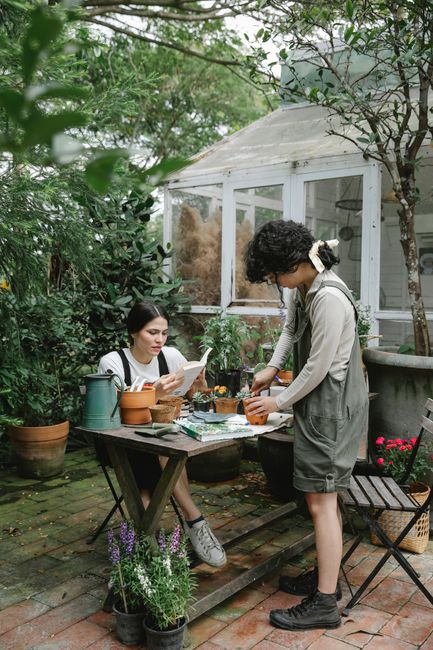
If you have ever asked for a garden quote and then felt slightly uneasy about the wording, you are not alone. Upfront garden quotes can be brilliant when they are clear, fair, and properly scoped. They can also be confusing when the price looks tidy on paper but hides extra charges, vague assumptions, or a rushed visit that misses the real work. This guide on Upfront garden quotes what to know before you book gardeners walks through what a proper quote should include, how to compare different gardeners sensibly, and what to ask before you say yes.
In plain English: a good upfront quote should help you make a calm decision, not a nervous one. By the end, you will know how to spot a well-structured quote, how to avoid common traps, and how to choose the right gardener for your garden, budget, and timing.
Why upfront garden quotes what to know before you book gardeners matters
Let's face it, garden work sounds simple until you look closely. A small front garden can hide roots, old waste, patchy access, awkward parking, overgrown edges, or a hedge that looks innocent from the road but eats half the afternoon once the trimmings start falling. That is why an upfront quote matters so much. It gives you a realistic picture of the work before anyone starts cutting, clearing, or moving heavy waste bags across the path.
A clear quote protects both sides. You know what you are paying for. The gardener knows what has been agreed. That reduces the chance of misunderstandings later, especially with jobs such as garden clearance, hedge trimming, lawn mowing, or a broader garden maintenance visit.
There is another reason this matters. Some garden jobs are difficult to price perfectly without seeing the space. If a quote is given too quickly, it may be based on assumptions rather than evidence. That is where customers get caught out: the "cheap" number changes once the team arrives, or the job takes longer than expected because no one asked about access, waste, or what is actually overgrown.
Expert summary: A trustworthy upfront quote should be specific enough to compare, flexible enough to reflect real conditions, and clear enough that you can say yes without second-guessing every line.
How upfront garden quotes what to know before you book gardeners works
In practice, an upfront quote usually starts with a brief conversation, photos, or a site visit. The gardener asks what you want done, how urgent it is, and whether the job is a one-off or part of ongoing upkeep. Then they estimate labour time, waste handling, materials if needed, equipment, and any access issues.
For example, a straightforward lawn tidy may be quoted quickly if the area is small and easy to reach. But a larger job, such as a neglected garden with bramble, thick hedging, and piles of old cuttings, needs a more careful assessment. The quote should reflect the actual scope, not a guess based on a neat front border in spring sunshine. You know how it goes: gardens rarely read the script.
Good quotes often separate the job into categories:
- Labour - the time and skill required to complete the work
- Materials - compost, plants, gravel, membrane, fixings, or timber where relevant
- Waste removal - loading, transport, and disposal of green waste or mixed waste
- Access and logistics - gates, narrow side passages, parking, or carrying distance
- Optional extras - additional pruning, shaping, or follow-on visits
That structure makes it easier to compare one gardener with another. It also helps you spot whether a price is genuinely competitive or simply incomplete.
If you are planning a larger transformation rather than a tidy-up, you may also want to look at landscape gardening or landscaping services, where design, preparation, and build stages often need a more detailed quote process.
Key benefits and practical advantages
There is a good reason people search for upfront pricing before booking. It saves time, but not just in the obvious way. It also saves the mental energy of chasing unclear answers later. That counts for a lot when you are juggling work, family life, and a garden that seems to grow while you are making tea.
1. Fewer surprise costs
A proper quote should explain what is included and what is not. That means fewer awkward add-ons after the work starts. If a gardener needs to charge extra for severe overgrowth, stump work, or waste over a certain amount, you should know that from the outset.
2. Easier comparison
When quotes are written in a similar way, you can compare them fairly. One quote might look higher, but if it includes waste disposal, hedge shaping, and a return visit, it may actually be better value. Apples with apples, as they say.
3. Better scheduling
A clear quote usually leads to a clearer plan. You know when the team is due, how long the work should take, and whether anything needs to be ready beforehand, such as access to a side gate or a clear driveway.
4. More trust
If a gardener is willing to explain the quote clearly, that is often a good sign. It suggests they are not trying to rush you into a decision. It also makes it easier to build a sensible working relationship for future visits.
5. Better results for the garden
When scope is agreed properly, the end result is usually better. The gardener can focus on the right tasks instead of guessing priorities halfway through. That matters for regular upkeep, seasonal tidying, or specialist work like tree lopping and removal.
Who this is for and when it makes sense
Upfront quotes are useful for almost everyone, but they are especially helpful if you are booking a first-time gardener, managing a property, or dealing with a garden that has been left for a while. If you cannot easily describe the work in one sentence, you probably need an upfront quote.
This approach makes particular sense if you are:
- booking a one-off tidy before a sale, letting, or family event
- arranging recurring upkeep for a busy household
- comparing gardeners with different levels of experience or equipment
- dealing with overgrown borders, hedges, or lawn areas
- planning a bigger outdoor project that may involve multiple trades or phases
It is also useful if you are not sure whether a job is maintenance, clearance, or a small landscaping project. Sometimes the boundary is fuzzy. One person's "just trim the hedge" is another person's "this is now a minor battlefield."
If you want a light-touch, regular approach, a scheduled visit through garden maintenance may suit you better than a one-off rescue job. If the garden is too far gone, a proper garden clearance quote is usually the right place to start.
Step-by-step guidance
A sensible quote process does not need to be complicated. It just needs to be honest, detailed, and based on the real work in front of you. Here is a simple way to handle it.
- Define the job clearly. Decide what you want done now, and what can wait. Be specific: mow the lawn, clear the rear border, trim the hedge, remove waste, or tidy the driveway edge.
- Gather a few photos. Good pictures help, especially for front gardens, access points, and any awkward corners. Try to show the whole space and a couple of close-ups.
- Mention practical constraints. Can a van park nearby? Is there a side gate? Are there stairs, steps, or a long carry to the road? These details matter more than people think.
- Ask what the quote includes. Labour, waste, materials, equipment, and follow-up work should be clear. If any part is excluded, ask for that in writing.
- Check whether the quote is fixed or estimated. A fixed quote is often preferable for a clearly defined job. An estimate can be fine too, but only if the possible range is explained.
- Compare like for like. Do not compare a bare labour-only quote with a full-service quote unless you know what each one includes.
- Confirm timing and payment terms. Ask when the work will start, how long it should take, and when payment is due. This avoids those annoying little surprises that nobody enjoys.
One helpful habit: write down the questions before the call or visit. People forget details once the conversation gets going, especially if the gardener is walking the garden and pointing at three different things at once. Happened to a neighbour of mine, actually. By the time she got back indoors, she remembered only the smell of fresh soil and one very enthusiastic note about brambles.
Expert tips for better results
A few small choices make a big difference to the quality of your quote and, later, the work itself.
Ask for scope, not just a price
The number matters, of course. But the scope matters more. If the quote says "front garden tidy" and nothing else, you still do not know whether that includes edging, bagging, waste removal, or a light weed clear.
Be honest about the condition of the garden
Some people downplay the mess because they feel embarrassed. Don't. A garden in rough shape is not a moral failure. It just needs the right level of effort. If the work is heavier than first expected, honesty up front means fewer arguments later.
Ask about follow-on care
If your garden needs regular attention after the initial visit, ask whether the gardener can recommend a simple upkeep plan. A decent booking today can prevent a bigger bill in a month or two.
Use the quote as a planning tool
For example, if you are weighing up ongoing mowing against a broader tidy-up, look at whether the main issue is the lawn, the hedges, or accumulated debris. Matching the quote to the actual problem gives you a better long-term result.
Make sure waste is addressed
Green waste can be the hidden part of the job. A pile of cuttings looks smaller from the path than it does in the back of a van. If disposal matters to you, ask how it is handled and whether recycling or responsible sorting is included where appropriate. You can also review a company's approach to recycling and sustainability.
And one more thing: a very cheap quote is not automatically a good quote. It may just be a quote that forgot to include half the work. That is not the bargain it first appears to be.
Common mistakes to avoid
Most quote problems come from rushing, guessing, or assuming that everyone means the same thing by "tidy up." They usually do not.
- Accepting a quote without checking what is included. This is the big one. Always confirm labour, waste, and extras.
- Comparing prices without matching scope. A low number can look appealing until you realise it excludes disposal or trimming.
- Failing to mention access issues. Long carries, locked gates, or awkward parking can affect labour time.
- Skipping photos or a site visit for a complex job. If the garden is large or messy, a quick message is rarely enough.
- Not asking about timing. The cheapest quote in the world is not much use if the gardener cannot attend when you need them.
- Assuming all gardening work is the same. Mowing, hedge work, clearance, and tree-related jobs can require very different time, skill, and equipment.
It sounds obvious when written down. In real life, though, people are busy. The quote arrives, they skim it, and they want the problem gone by Friday. Fair enough. Just do the small checks first.
Tools, resources and recommendations
You do not need special software to get a good quote. A few simple tools help a lot more than people expect.
- Phone photos - take wide shots and close-ups
- Basic measurements - approximate lawn size, hedge length, or garden width
- Short written notes - what you want done, and what can wait
- Calendar reminders - useful when comparing responses from different gardeners
- Site access notes - where a van can park, where the gate is, and whether waste can be carried out easily
If you want to understand how a professional gardening service typically structures its pricing, a good starting point is pricing and quotes. That can help you see how different jobs may be assessed, especially if you are comparing a regular maintenance visit with a one-off clearance.
For recurring outdoor upkeep, it can also help to review related services like lawn mowing or hedge trimming so you know which tasks are usually bundled together and which are quoted separately.
Law, compliance, standards, or best practice
Not every garden quote has a legal checklist attached, but a professional gardener should still work to sound UK business practices and sensible safety standards. This is especially important where tools, ladders, cutting equipment, or waste handling are involved.
In practical terms, you should expect clarity around:
- Insurance and safety - whether the business carries suitable cover for the work being done
- Health and safety - how risks are managed when using machinery, working at height, or moving heavy materials
- Payment terms - when payment is due and what methods are accepted
- Complaints handling - what happens if something goes wrong or a job is not completed as agreed
- Privacy and communication - how your contact details and property information are handled
If a quote is for tree work, access issues, or clearance involving heavier waste, it is sensible to ask more detailed questions. For example, tree-related jobs often need a careful discussion of scope and risk, which is why the service details for tree lopping and removal can be especially relevant before you book.
You should also feel comfortable asking how the company handles payment security, customer complaints, and safety procedures. If those basics are not easy to understand, that is a warning sign. Not a drama, just a sign to slow down.
For company background and standards, readers sometimes also check an organisation's about us, insurance and safety, and health and safety policy pages before booking. That is a sensible habit, especially for bigger jobs.
Options, methods, or comparison table
There are a few common ways gardeners handle quotes. The right one depends on the size and complexity of the job.
| Quote method | Best for | Advantages | Watch-outs |
|---|---|---|---|
| Quick phone estimate | Small, straightforward jobs | Fast and convenient | Can miss access issues or hidden work |
| Photo-based quote | Moderate jobs with clear visuals | Good balance of speed and detail | Photos may hide depth, waste volume, or slope |
| Site visit quote | Large, overgrown, or mixed-scope work | Most accurate and reliable | Takes more time to arrange |
| Fixed written quote | Clearly defined jobs | Best for budget certainty | Needs very clear scope |
| Estimated range | Uncertain or variable jobs | Useful when conditions may change | You need to understand possible overrun |
As a rule of thumb, the more variable the garden, the more useful a site visit becomes. A tiny front patch with one hedge is not the same as a back garden with uneven access, old timber, leaf build-up, and a few surprises hiding under the shrubs. That is where good quoting earns its keep.
Case study or real-world example
Imagine a homeowner in south London with a front and rear garden that have both been left for a few months. The front lawn needs mowing, the hedge is overhanging the path, and the back garden has borders full of cuttings, weeds, and a stack of old pots. The first instinct is to ask, "How much will it cost?"
A better approach is to describe the work in parts. The homeowner sends clear photos, notes that there is side access but no driveway, and asks for a quote that covers mowing, hedge trimming, light clearance, and waste removal. The gardener responds with a written breakdown. The price is not the lowest of the three quotes received, but it is the clearest. It explains the likely time on site, the disposal arrangements, and what would count as extra work if the garden turned out worse than expected.
That homeowner chooses the clearer quote, and the result is straightforward: the work is completed in one visit, the garden looks tidy, and there is no awkward back-and-forth about what was included. Nothing flashy. Just a clean job, done properly, without the usual faff.
This is the real value of upfront quoting. It turns a vague "help, the garden is a bit much" into a proper plan.
Practical checklist
Use this checklist before you book gardeners. It keeps things simple and helps you avoid costly assumptions.
- Have I described the job clearly?
- Have I shared photos or offered a site visit if needed?
- Do I know whether the quote is fixed or estimated?
- Have I checked what is included in labour, waste, and materials?
- Have I mentioned access, parking, gates, and any awkward carry distance?
- Do I know whether follow-up work or extra cuttings would cost more?
- Have I compared quotes based on the same scope?
- Do I understand the payment terms?
- Have I reviewed safety, insurance, and complaints information where relevant?
- Am I comfortable with the overall value, not just the headline price?
If you can tick most of those boxes, you are in a far better position than someone who simply picks the cheapest number and hopes for the best. Hope is lovely. It just should not be your quoting strategy.
Conclusion
Upfront garden quotes are not just about finding the cheapest price. They are about clarity, trust, and making sure the work matches the money you spend. When a quote is well written, it helps you understand the scope, compare options properly, and book with confidence rather than guesswork.
Before you book, take a minute to describe the garden honestly, ask what is included, and confirm how the work will be handled. That small bit of care can save time, money, and a fair amount of frustration later. Truth be told, that is usually where the best jobs start.
Get a free quote today and see how much you can save.
Frequently Asked Questions
What should an upfront garden quote include?
A good quote should explain what work is included, whether waste removal is covered, what materials are needed, and whether the price is fixed or only an estimate. It should also note anything that could change the price, such as heavy overgrowth or difficult access.
Is a cheap garden quote always a good deal?
Not necessarily. A very low quote can mean something important has been left out, such as waste removal, extra labour, or proper site preparation. Always compare the scope as well as the price.
Should I get a site visit before booking gardeners?
For small, simple jobs, photos may be enough. For larger, messier, or more complex gardens, a site visit is often the safest way to get an accurate quote.
How do I compare two garden quotes properly?
Look at the details, not just the total. Compare labour, waste, materials, access assumptions, and any optional extras. Two quotes only make sense side by side if they cover the same work.
What if the garden is worse than I expected?
That happens all the time. A decent quote process should allow for the real condition of the garden. Be honest about what you can see, and ask the gardener whether the price may change after inspection.
Can gardeners charge more after giving an upfront quote?
They can only justifiably do so if the original quote was based on incomplete information or if you later request extra work. That is why clear scope and honest photos matter so much.
Do I need to mention access and parking?
Yes. Access affects labour time, equipment handling, and waste removal. A narrow gate or difficult parking can make a job more involved than it first appears.
What is the difference between a quote and an estimate?
A quote is usually a firmer price for a defined job. An estimate is more flexible and may change if the work turns out differently. Ask which one you are being given before you agree.
How often should I book garden maintenance?
That depends on the size of the garden, the season, and how fast things grow. Some gardens need monthly or fortnightly attention, while others only need occasional tidy-ups. Regular garden maintenance can keep costs more manageable over time.
Should I ask about insurance before booking?
Yes, especially for bigger jobs or work involving ladders, tools, or waste removal. It is sensible to check that the business has suitable cover and follows safe working practices.
What services are most likely to need a detailed quote?
Services like clearance, hedge work, tree-related jobs, and landscaping often need more detail because the scope can vary widely. If the work involves mixed tasks, ask for a written breakdown.
How do I know if a gardener is being transparent?
They should answer questions clearly, explain what is included, and avoid vague wording. A transparent quote is usually easy to read and does not hide the awkward bits.
Where can I find more pricing information?
Look for a clear pricing page that explains how different jobs are assessed. For example, pricing and quotes is a useful place to understand how gardening work may be structured before you book.
If you are ready to take the next step, start with a clear description of the garden, a few honest photos, and the questions above. It is a simple bit of prep, but it makes the whole process feel much easier. And a calmer booking is usually a better booking.