Gardeners versus DIY when to hire a pro in the UK
If you have ever stood in the garden with a trowel in one hand and a half-finished plan in your head, you will know the feeling: should you do it yourself, or bring in a professional? That decision matters more than people think. Gardeners versus DIY when to hire a pro in the UK is not just about saving money or getting jobs done faster. It is about knowing where a weekend project makes sense, and where the smart move is to hand it over before a small issue turns into a bigger, messier one.
In the UK, gardens are shaped by changeable weather, tight schedules, awkward access, mature trees, neighbour boundaries, and the plain fact that not every job is as simple as it looks on a calm Saturday morning. This guide breaks down the practical difference between DIY and hiring a gardener, when to call in help, what to expect from professional support, and how to judge a job honestly. Not perfectly. Just honestly.
Expert summary: DIY is usually best for light, low-risk, routine tasks. Hire a pro when the job affects safety, structure, plant health, waste removal, time pressure, or the overall finish you want to achieve.
Why Gardeners versus DIY when to hire a pro in the UK Matters
The garden often looks like a low-stakes part of the home. Then the weeds spread, the hedge becomes too tall for a step ladder, the lawn stays patchy, and a "quick tidy" quietly eats the whole weekend. That is where this decision starts to matter.
Choosing between DIY and a professional gardener affects three things at once: the quality of the result, the time it takes, and the level of risk involved. A small patio sweep or planting a few pots is one thing. A full garden clearance, a heavy hedge cut, or work around mature trees is another matter entirely.
For many UK households, the real cost is not just money. It is the lost Saturday, the sore back on Sunday evening, the wrong tools hired for the job, and that awkward moment when you realise the garden still does not look finished. To be fair, DIY can be satisfying. But satisfaction fades fast if the job needs redoing.
There is also the question of standards. Professional gardeners usually work with a sharper eye for plant health, seasonal timing, disposal, access issues, and finish. They also tend to spot things a homeowner might miss, like poor drainage, overgrown roots, unstable edging, or a hedge that has been trimmed in a way that will thin badly later on. Little things, but they add up.
How Gardeners versus DIY when to hire a pro in the UK Works
The simplest way to think about it is this: DIY is best when the task is low-risk, low-complexity, and low-consequence if you get it slightly wrong. Hire a professional when the job is technical, physically demanding, time-sensitive, or likely to cost more if corrected later.
In practice, the decision usually follows a few questions:
- Is the work safe to do with the tools and access you have?
- Will a mistake damage the garden, the property, or nearby boundaries?
- Do you have the time, energy, and patience to finish it properly?
- Will the result need specialist knowledge, not just effort?
- Will you need waste removed, materials supplied, or heavy lifting handled?
Say you are mowing a lawn and tidying borders. Straightforward enough. But once the job grows into uneven ground, moss, edging, stubborn brambles, or a neglected patch that needs more than a quick once-over, professional help begins to make more sense. A service like lawn mowing support or ongoing garden maintenance can be a better fit if you want the space kept under control rather than repeatedly rescued.
There is no single rule that works for every garden. A tiny courtyard in London and a large suburban plot in Kent are very different jobs, even if both need "a bit of gardening." That is why a good decision is less about pride and more about judgment.
Key Benefits and Practical Advantages
Hiring a pro is not only about convenience. It can change the whole shape of the job.
1. Better finish, less guesswork
A professional gardener is more likely to cut hedges evenly, prune at the right points, and leave the garden looking intentional rather than merely tidied. That sounds obvious, but you notice it straight away. The space feels calmer. Neater. More like somewhere you want to sit with a cup of tea rather than a to-do list.
2. Reduced risk
Jobs involving ladders, chainsaws, heavy branches, steep banks, slippery lawns, or sharp tools carry obvious hazards. Some tasks, especially around trees, are simply not worth the DIY risk if you are uncertain. In those cases, professional tree work or tree lopping and removal is usually the sensible route.
3. Faster completion
What takes a homeowner several weekends can often be completed far more efficiently by an experienced team. They know what order to do things in, how to move waste, and how to avoid the back-and-forth that slows DIY work to a crawl.
4. Better handling of overgrown or awkward spaces
If a garden has been left alone for a while, the work often snowballs. Brambles, waste, heavy growth, broken edges, dead material, and access issues all appear at once. Professional garden clearance or landscaping can take a chaotic space and make it usable again.
5. Less disposal stress
Garden waste is not just "stuff in a pile." It needs sorting, loading, transport, and disposal or recycling in line with local expectations. If you are already stretched, that part alone can make a pro worth it.
Practical takeaway: if the job is more than a neat surface tidy, the value of hiring often shows up in the final 20% of the work. That last bit is where time, skill, and stamina matter most.
Who This Is For and When It Makes Sense
This is useful for homeowners, landlords, tenants with garden responsibilities, older residents, busy families, and anyone staring at an outdoor space that seems to be winning the battle. In other words, quite a lot of people.
DIY may suit you if:
- the task is small and familiar
- you already own the right tools
- you can safely reach the area without specialist equipment
- you are happy to learn by doing
- there is no urgent deadline
Hiring a pro makes more sense if:
- the garden has become overgrown or neglected
- the job involves height, heavy lifting, or awkward terrain
- you need a reliable finish for a house sale, rental inspection, or event
- the space needs a proper design reset, not just maintenance
- you have already tried DIY and it keeps stalling
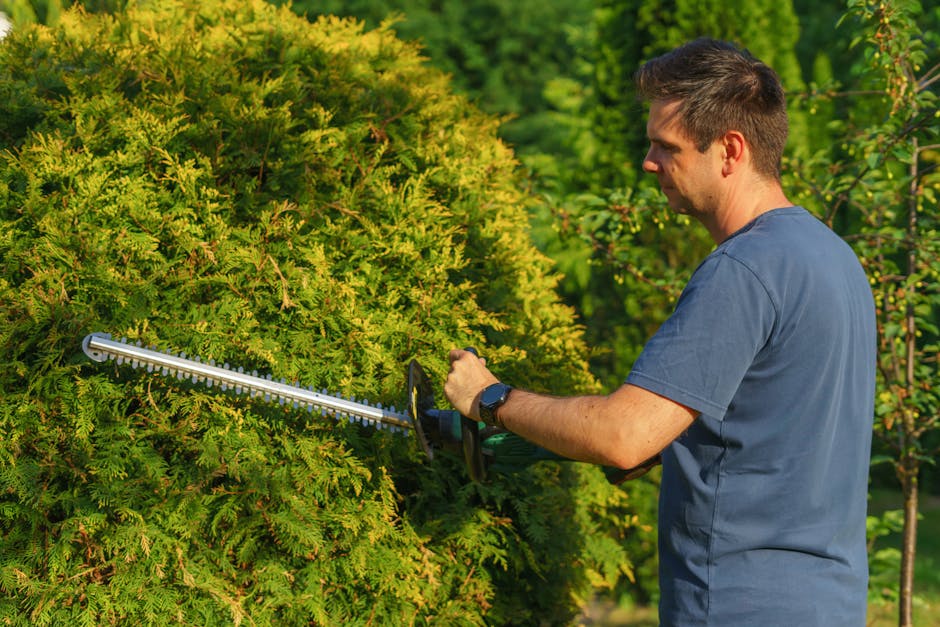
There is also a middle ground. Plenty of people handle light work themselves but bring in help for the bigger, less enjoyable parts. For example, you might mow and plant yourself, then use a professional for hedge cutting, seasonal clean-ups, or larger projects like hedge trimming and landscape gardening.
And honestly, that is a sensible approach. No medal for doing every task the hard way.
Step-by-Step Guidance
If you want a clear way to decide, use this process. It takes a few minutes and saves a lot of faffing about later.
- Define the job properly. "Sort the garden" is too vague. List the actual tasks: mowing, hedge cutting, weed removal, waste clearance, shaping beds, or replacing tired features.
- Check the risk. Ask whether the work involves ladders, power tools, heavy branches, slippery surfaces, or anything near walls, fences, or overhead hazards.
- Estimate the time honestly. Not ideal time. Real time. Include setup, breaks, mistakes, and cleanup. A two-hour job often turns into a half-day once you are in it.
- Look at the finish you want. If the garden just needs to be tidy, DIY may be enough. If you want a polished, balanced look, professional help is usually stronger.
- Consider the tools. Hiring equipment can work for one-off jobs, but once you add costs, transport, and learning time, the savings may shrink quickly.
- Think about waste and disposal. Big piles of clippings, branches, or old materials can become the part no one wanted to deal with.
- Decide whether the job is one-off or ongoing. A one-off rescue and ongoing maintenance are different. If the garden needs regular care, a recurring service may be better value.
- Get a quote if the job is complex. Use professional pricing to compare the real cost of DIY, not just the cash outlay.
One useful trick: imagine the job after you have already started. If you can picture the awkward bits clearly, you are probably close to the truth. If not, it may be one of those projects that looks simple from the kitchen window and somewhat less simple by noon.
Expert Tips for Better Results
These are the kinds of practical details that make a visible difference.
Match the work to the season
Gardens respond to timing. A hedge cut at the wrong moment can look harsh. Certain pruning jobs are better left until the right season. A lawn can be damaged if cut too short in dry conditions. Professional gardeners tend to work with the season rather than against it, which sounds basic but matters a lot.
Prioritise structure before decoration
If the garden is messy, deal with the bones first: borders, lawns, edges, access, clearance, and any weak or damaged areas. Flowers and styling come later. It is a bit like cleaning a room before hanging pictures. Obvious, perhaps, but easy to forget.
Use the right level of service
You do not always need a full redesign. Sometimes the best move is a focused job such as routine maintenance, a one-off tidy, or specific help with lawn mowing rather than a complete overhaul.
Ask how waste will be handled
Waste management is one of the main places DIY becomes tiring. If a professional service handles removal and recycling responsibly, that can be a big relief. If sustainability matters to you, it is worth checking whether they have a clear approach to sorting and recycling green waste. Their recycling and sustainability approach is a good place to start.
Be clear about boundaries and access
In shared or tight urban gardens, access matters more than people expect. Narrow side paths, neighbours' fences, shared gates, and storage spaces can all affect what is realistic. A quick discussion up front saves hassle later. Less drama, more done.
Common Mistakes to Avoid
Most garden DIY problems are not caused by laziness. They happen because the job was underestimated. That is different.
- Underestimating overgrowth. A patch that looks "a bit untidy" can hide dense roots, thorny growth, uneven ground, and a lot of waste.
- Using the wrong tool for the task. A hedge trimmer will not magically solve a hedge that needs proper shaping or reduction.
- Cutting too much at once. A common mistake with hedges and shrubs. Overcutting can leave ugly gaps or stress the plant.
- Ignoring access and disposal. You may finish the job and still be stuck with the aftermath.
- Starting without a proper plan. If you begin with no sequence, you end up moving the same pile three times. It happens. More than people admit.
- Choosing DIY out of habit, not judgment. Just because you have always done a bit yourself does not mean every new task deserves the same approach.
There is a point where thrift stops being smart and becomes expensive in disguise. That is especially true with bigger jobs, where a poor cut, a damaged plant, or an unsafe ladder setup can cost far more than hiring someone properly in the first place.
Tools, Resources and Recommendations
If you are leaning toward DIY for smaller tasks, keep your toolkit realistic. A rake, shears, gloves, a decent mower, pruning tools, and waste bags will cover a fair amount. But if the job needs specialist cutting, heavy lifting, or repeat maintenance, a pro often brings the right kit with them, which changes everything.
When comparing options, it helps to think beyond the tool itself and ask what the tool solves. For example:
- A mower solves grass cutting, but not edge tidying, moss, or patch recovery.
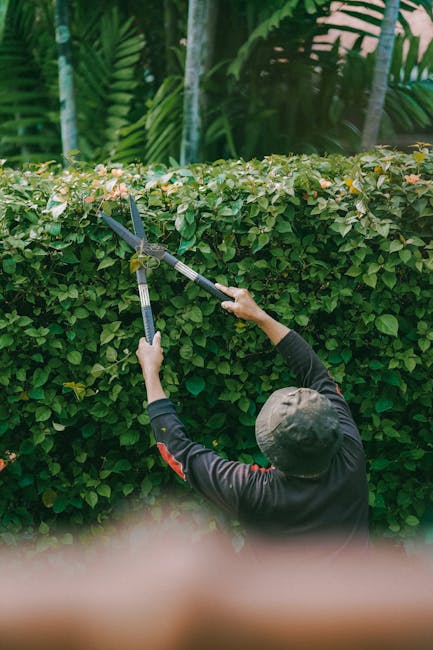
- Hand shears can manage light trimming, but not a tall, dense hedge.
- A wheelbarrow helps with transport, but not with loading large volumes of waste.
- Basic pruning tools are fine for small work, but not for tree-level risk or structural issues.
If you are unsure how much work is involved, browsing service pages can help you frame the task properly. A quick look at hedge trimming, lawn mowing, or garden clearance can help you judge whether the job is a tidy-up or a proper project.
If you want to understand the business side before booking, reviewing pricing and quotes is useful. It helps you compare like with like, not guess wildly and hope for the best.
And if you want a sense of how the company presents itself and works, the about us page is worth a look. Small detail, but it does build trust when you are deciding who to let into your garden.
Law, Compliance, Standards, or Best Practice
This topic is not heavily legal for most routine garden work, but there are still sensible standards to keep in mind. Safety, neighbour awareness, waste handling, and property care matter. A pro should be able to explain how they manage risk and what they do to protect both people and property.
For taller hedges, trees, or work involving height and heavy branches, the risk rises quickly. In those cases, it is worth checking that the person or company you hire has appropriate insurance and follows sensible safety practices. Their insurance and safety information should give you confidence about the basics.
Professional conduct also matters. Clear communication, fair pricing, safe methods, and proper waste handling are all part of best practice. If something ever goes wrong, you also want to know there is a clear route for resolving problems, which is why a published complaints procedure is a useful trust signal.
On the customer side, it helps to be clear about what you want done, what is excluded, and whether access, parking, or water supply might affect the job. A bit of preparation goes a long way. Garden jobs are simple until they are not.
Options, Methods, or Comparison Table
Sometimes the quickest way to decide is to compare the choices side by side. Here is a practical view of DIY versus hiring a professional gardener.
| Factor | DIY | Hiring a pro |
|---|---|---|
| Cost | Lower cash outlay at first, but tools and time add up | Higher upfront spend, often better value for larger jobs |
| Time | Usually slower, especially if you are learning as you go | Usually faster and more efficient |
| Finish | Good for simple tasks, variable on complex work | More consistent, especially on shaping, clearance, and presentation |
| Risk | Lower on simple tasks, higher on ladders, trees, and heavy work | Reduced when the right person and methods are used |
| Tools | You need to own, hire, or improvise them | Tools are usually included |
| Waste | You handle it yourself | Often handled as part of the service |
| Best for | Small, routine, low-risk jobs | Overgrown, technical, or time-sensitive work |
For bigger outdoor updates, the line between maintenance and transformation matters. If the space needs layout changes, hard landscaping, or a full refresh, professional landscaping or landscape gardening is usually more appropriate than DIY patching.
Case Study or Real-World Example
Imagine a semi-detached house with a back garden that has been quietly slipping for two seasons. The grass is long, the hedge is uneven, and there is a pile of old clippings and broken pots near the shed. Nothing dramatic. Just enough to feel annoying every time someone opens the back door.
The homeowner starts with DIY. They mow half the lawn, then realise the hedge needs proper shaping, not just a trim. The clippings pile grows. The barrow gets heavy. By the end of the first attempt, the garden looks improved, but not finished. And the next weekend is already half gone.
At that point, bringing in a professional changes the rhythm of the job. The team can clear the remaining waste, finish the hedge properly, restore the boundaries, and reset the whole space in one visit. The homeowner can then maintain it with smaller DIY tasks afterwards. That hybrid approach is often the sweet spot.
We have seen this happen more than once, especially after winter. A garden that looks fine from the window can be hiding a lot of work. Once the sun comes out, all the rough edges show. Bit rude, really.
Practical Checklist
Use this checklist before deciding whether to DIY or hire help.
- Is the task low-risk and easy to reach?
- Do I know what tools are needed?
- Can I finish it in one session, or will it drag on?
- Will the outcome matter to appearance, safety, or property value?
- Is there a lot of waste to move or dispose of?
- Could I damage plants, structures, or boundaries if I get it wrong?
- Do I need special knowledge for pruning, cutting, or shaping?
- Would a professional finish save me time and frustration?
- Am I choosing DIY because it is sensible, or just because I feel I should?
- Have I compared the real cost of my time, tools, and effort?
If you answer "yes" to several of the risk, time, or complexity questions, professional help probably makes sense. If the answer is mostly "no," DIY may be the right call. Simple as that.
Conclusion
Gardeners versus DIY when to hire a pro in the UK comes down to judgment, not ego. DIY is brilliant for smaller jobs, regular upkeep, and hands-on homeowners who like being involved. But once a task gets larger, riskier, more technical, or more time-consuming than expected, a professional gardener can save you time, improve the result, and reduce stress.
The best approach is often a mix of both. Handle the easy, satisfying bits yourself. Bring in help for the jobs that need pace, equipment, or experience. That way, the garden keeps moving forward instead of becoming one of those projects that lingers in the background for months.
If you are weighing up your options, start by being honest about the real scope of the work, then compare that with the time and effort you can give it. You will usually know the answer before the kettle boils.
Get a free quote today and see how much you can save.
When the right help and the right timing come together, a garden stops feeling like a chore and starts feeling like part of home again.
Frequently Asked Questions
Should I hire a gardener or do it myself for a small UK garden?
If the garden is small, simple, and mostly needs routine tidying, DIY can work very well. But if the space is cramped, overgrown, or hard to access, a gardener may still be the easier option. Small gardens can be deceptive; they often take more precision than size suggests.
When is DIY gardening no longer worth it?
DIY stops being worthwhile when the job starts eating too much time, requires specialist tools, or carries a meaningful safety risk. If you have already spent several weekends on it and the result still feels unfinished, that is usually your sign.
Is hiring a gardener better value than buying tools?
For one-off or occasional jobs, yes, it often is. Tools, storage, transport, maintenance, and your own time all count. If you will use the kit regularly, DIY may pay off; if not, hiring can be the smarter spend.
What garden jobs should I never try myself?
Anything involving serious height, unstable branches, heavy lifting, or machinery you are not comfortable using deserves caution. Tree work, in particular, can be dangerous if you do not have the right experience. When in doubt, step back.
How do I know if my hedge trimming job is too big for DIY?
If the hedge is tall, thick, uneven, or close to boundaries and access is awkward, it may be better handled professionally. A light trim is one thing. Re-shaping or reducing a large hedge is another altogether.
What is the biggest mistake people make with garden DIY?
Underestimating the total job. People often see the visible mess and forget the clearance, the sorting, the waste, and the cleanup. That is where the hours disappear.
Can a gardener help with garden clearance as well as maintenance?
Yes, many professional services can cover both one-off clearance and ongoing care. That can be useful if you want the garden reset first and then maintained properly afterwards.
How much time can I expect to save by hiring a pro?
It depends on the size and condition of the garden, but professionals usually work much faster because they know the sequence, have the right equipment, and do not need to stop and learn the task as they go.
What should I ask before booking a gardener?
Ask what the service includes, how waste is handled, whether insurance is in place, and what happens if access is difficult. Clear questions up front make the job smoother for everyone.
Is professional landscaping worth it for a tired-looking garden?
If the garden needs more than tidying and actually needs layout changes, new structure, or a better long-term plan, professional landscaping can be very worthwhile. It is the difference between patching and properly improving the space.
Can I do some garden tasks myself and hire a pro for the rest?
Absolutely. In fact, that is often the most sensible route. Many people handle light maintenance themselves and bring in professionals for hedge cutting, clearance, tree work, or larger seasonal jobs.
How do I decide between regular maintenance and a one-off visit?
If the garden keeps slipping back into the same state, regular maintenance is usually better. If it only needs a reset once or twice a year, a one-off visit may be enough. The honest answer is to look at how quickly the work returns, not how you hope it will behave.
What if I am not sure whether the job is safe?
If you are unsure, treat that as useful information, not a failure. Safety uncertainty is a strong sign to bring in a professional. Better to ask than to push on and regret it later.
Where can I learn more about the company's approach and services?
You can review the company's about us page, see the range of services such as garden maintenance and landscaping, or check the contact us page if you want to discuss a specific job.