Eco garden practices UK gardeners use to cut waste and save soil
If you have ever looked at a heap of prunings, a bag of grass clippings, and a tired patch of compost-starved soil after a weekend in the garden, you are not alone. The good news is that eco garden practices UK gardeners use to cut waste and save soil are often simpler than they sound. They are not about turning your garden into a laboratory. They are about making small, sensible choices that keep organic matter in the garden, reduce trips to the tip, and help the soil stay alive, springy, and productive.
That matters in the UK more than most people think. Wet winters, heavy clay in some areas, compacted lawns, hungry borders, and the habit of "tidying away" every last leaf can all work against soil health. In this guide, we will look at practical methods that genuinely cut waste, support the ground beneath your feet, and fit into everyday gardening life. No fluff. Just useful, grounded advice you can actually use.
Why eco garden practices matter
So, why does this approach deserve attention? Because most garden waste is not really waste at all. It is raw material. Fallen leaves become mulch. Grass clippings can feed compost. Shredded hedge trimmings can protect soil moisture. Even the woody bits from pruning can be turned into habitat, path dressing, or long-term organic matter if handled well.
UK gardeners also face a practical reality: garden soils are under pressure. Frequent digging, bare soil exposure, over-clearing, and poor disposal habits can strip away structure and leave beds prone to drying out, puddling, or compaction. Once that starts, every plant becomes more needy. More watering. More feeding. More effort. And, frankly, more frustration.
Eco-friendly gardening is not just about being green in a vague sense. It is about reducing unnecessary material leaving your garden and increasing the amount of useful organic matter staying in circulation. That is what saves soil over time. You can think of it as a closed loop: cut back, recycle on site, protect the soil, and let biology do some of the heavy lifting.
A small practical example: a border cleared too aggressively in autumn often ends up bare, battered by rain, and then crusted over in winter. The same border, left with a light mulch of shredded leaves and some chopped stems, holds moisture better, stays softer, and wakes up more gently in spring. The difference is not dramatic in a single week. It is noticeable by the end of the season. A garden remembers how it has been treated.
If you are already thinking beyond a one-off tidy-up, it can be worth looking at broader support such as recycling and sustainability practices and routine garden maintenance so the garden keeps improving instead of simply getting reset each year.
How eco garden practices UK gardeners use to cut waste and save soil works
The core idea is simple: keep organic material in the garden for as long as it remains useful, and disturb the soil as little as possible. That does not mean never digging or never removing anything. It means making a decision about each material instead of treating all clippings and cuttings as rubbish.
1. Reduce the volume of waste at source
Before anything is bagged up, ask whether it can be cut, layered, shredded, or reused. A hedge trim can be reduced in volume by cutting it in stages. Perennial stems can be chopped down and left to dry before composting. Lawn clippings can be left thinly on the grass or added sparingly to a compost heap. The aim is to reduce the amount that leaves the site in the first place.
2. Return suitable material to the soil
Mulch is the quiet hero here. It covers exposed soil, slows evaporation, reduces weed germination, and feeds soil life as it breaks down. In practice, that can mean leaf mould around shrubs, woodchip on paths, or compost around vegetables and ornamentals. Each one does a slightly different job, but the principle is the same: protect the surface and feed the ground.
3. Build compost that is balanced, not sloppy
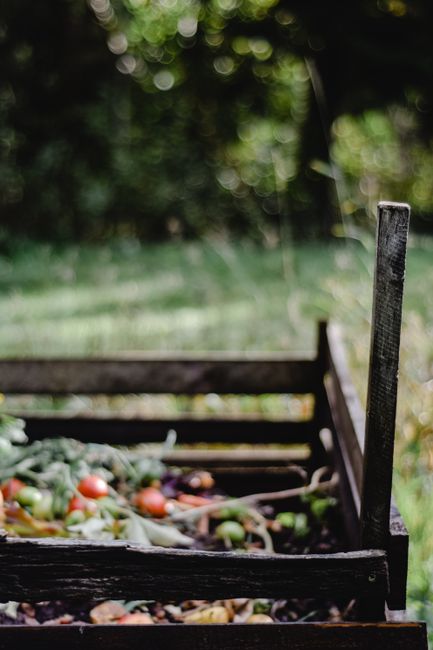
Compost is only useful if it is made well enough to break down properly. A common mistake is piling in too much soft green material like lawn clippings without enough brown material such as dry leaves, shredded cardboard, or prunings. That turns wet, slimy, and a bit unpleasant. You know the smell. Better compost comes from balance, airflow, and a bit of patience.
4. Disturb the soil less
Saving soil is not only about adding to it. It is also about not wrecking it. Repeated rotavation can break soil structure down, especially in clay or compacted beds. Gentle fork work, surface mulching, and no-dig methods help preserve the pores, worms, and fungal networks that make soil functional. Let's face it, soil is not just dirt. It is a living system.
5. Match the method to the season
Spring and autumn are often the most useful times to apply these practices in UK gardens. In autumn, leaves are an asset. In spring, compost and mulch help beds recover after winter rain. In summer, moisture retention becomes the main game. In winter, keeping soil covered matters more than perfect tidiness.
Used together, these habits keep more material on site, reduce skip-load habits, and build a steadier growing environment year after year.
Key benefits and practical advantages
There are several reasons these methods have become so popular with practical UK gardeners. Some are obvious; others only become clear after a season or two.
- Less green waste to dispose of. That means fewer bags, fewer trips, and less hassle.
- Better soil moisture retention. Mulch and organic matter help soil hold water for longer.
- Improved structure. Healthy soil is easier to work and less likely to bake hard or compact.
- More wildlife-friendly spaces. Leaf litter, log piles, and less over-clearing support useful insects and soil organisms.
- Lower spend over time. Good soil needs fewer inputs, fewer replacements, and less panic-buying of compost in spring.
- Cleaner, calmer gardens. Not over-tidied, not overgrown. Just managed with purpose.
There is also a psychological benefit. Once you stop seeing every leaf and cutting as rubbish, gardening feels less like an endless disposal job and more like a closed, sensible system. That is a nice shift, to be fair.
Who this is for and when it makes sense
This approach suits a wide range of people, from small-townhouse gardeners with a few planters to larger property owners trying to keep borders and lawns in shape. It is especially useful if you want your garden to be both tidy and resilient, not just temporarily neat after a hard clear-up.
It makes sense if you:
- want to reduce garden waste collections or bags for disposal
- have soil that dries out quickly or crusts after rain
- are trying to improve tired borders, lawns, or vegetable beds
- prefer low-input gardening with fewer chemical fixes
- manage a garden with lots of leaves, hedges, or seasonal pruning
- are planning a redesign and want the new layout to be easier to maintain
It can also be a good fit for landlords, busy families, and older gardeners who want dependable results without constant labour. If the garden has become a bit much, a broader reset through garden clearance may be useful first, followed by a more sustainable maintenance routine. Sometimes you need to clear the slate before you can garden sensibly again. No shame in that.
For properties with hedges, trees, or heavier pruning work, services such as hedge trimming and tree lopping and removal can be part of a wider waste-reduction plan, especially if material is then shredded and reused rather than simply carted away.
Step-by-step guidance
If you want a practical way to start, use this sequence. It is straightforward, and it keeps you from trying to do everything at once, which is usually where people lose momentum.
Step 1: Sort waste by type
Separate soft green material, woody material, dry leaves, and diseased waste. This helps you decide what can be composted, mulched, shredded, or removed. Diseased plant material generally needs more caution. If in doubt, do not compost it casually with healthy waste.
Step 2: Keep the best materials on site
Healthy leaves, grass cuttings in moderation, and soft prunings are often useful. Dry leaves can be saved for leaf mould. Small twiggy prunings can be chipped or used as a rough mulch beneath shrubs, provided they are not piled directly against stems. Even a slightly scruffy pile in a hidden corner can become useful habitat if managed neatly enough.
Step 3: Compost in layers
A balanced compost heap usually needs a mix of green and brown material. Green brings nitrogen. Brown brings carbon and structure. Alternate layers, keep it lightly moist rather than soggy, and turn it if possible. If turning is not practical, a static heap can still work, it just takes longer. Garden life is not always elegant.
Step 4: Mulch exposed soil
Once beds are clear enough, apply a mulch layer to protect the surface. Use compost for feeding, leaf mould for moisture retention, and woodchip where long-lasting coverage is needed. Keep mulch a little away from woody stems and crowns. That small gap matters.
Step 5: Reduce digging
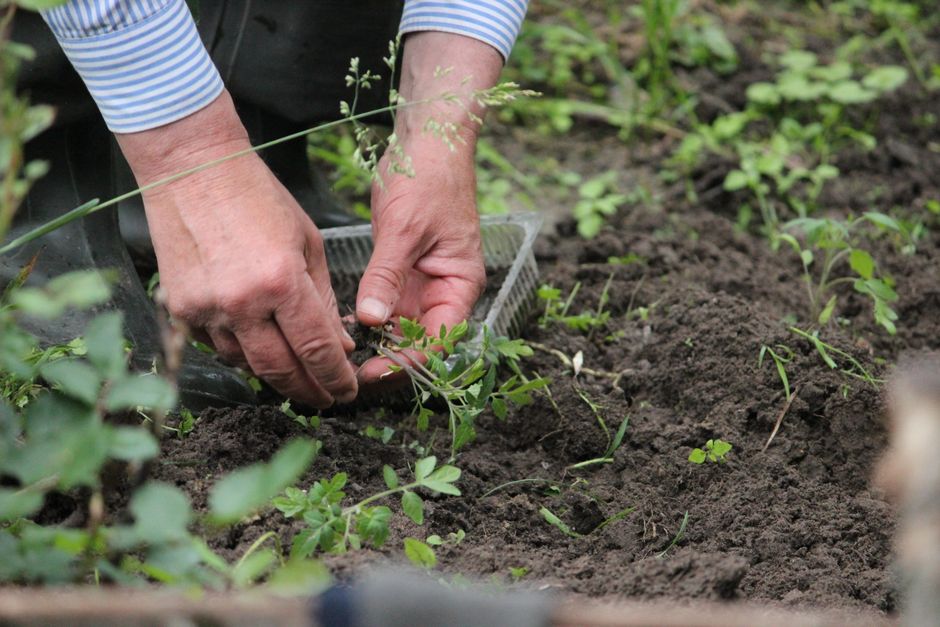
Instead of turning soil over repeatedly, loosen it only where needed and add organic matter to the top. This is particularly helpful in borders that have become compacted through foot traffic or weather. No-dig beds can be a bit transformative when done properly, especially on soil that has been overworked for years.
Step 6: Rethink lawn waste
Grass cuttings are one of the most underused materials in the garden. If they are not clumpy and the lawn is healthy, a thin layer can be left to break down on the lawn or added to compost in moderation. If you need regular help keeping grass in shape, lawn mowing can be integrated into a cleaner, lower-waste routine with sharp blades and sensible cut frequency.
Step 7: Plan maintenance around reuse
Once you know what you can reuse, the whole garden runs more smoothly. A little planning around pruning, mowing, clearing, and mulching prevents waste build-up and keeps the soil covered through the year. That is the real trick, really. Not a grand redesign. Just consistency.
Expert tips for better results
Here are the details that make the difference between "green in theory" and genuinely effective.
- Shred before you spread. Smaller pieces break down faster and are less likely to sit in a sloppy mat.
- Use leaves in two ways. Some can go straight into compost; the rest can be turned into leaf mould for woodland-style planting or moisture retention.
- Keep mulch breathable. A thick, wet blanket against stems is asking for trouble. Soil wants protection, not suffocation.
- Feed the soil, not just the plant. Good soil care pays back across the whole border, not only the plant you are looking at today.
- Work with the weather. Apply mulch after rain or watering when the soil is already damp. It locks in moisture better.
- Use waste as a design material. On larger plots, the right reshaped hard landscaping can reduce awkward corners where debris collects. That is where broader landscape gardening and landscaping thinking can help.
A small observation from real gardens: the areas that look "too tidy" in February often need more rescue by June. The ones with a bit of organic cover usually settle in better. Not always, but often enough to matter.
Common mistakes to avoid
There are a few easy traps people fall into when they first try to garden more sustainably.
Over-clearing in autumn
It feels productive in the moment, but stripping everything away can leave soil exposed during the wettest, coldest part of the year. A light layer of organic cover is often better than a bare bed.
Putting everything into one compost pile
Woody stems, green clippings, kitchen waste, and diseased cuttings all behave differently. Mixing them carelessly creates bad texture and slow breakdown. Separate where you can.
Making mulch too deep
More is not always better. Deep mulch against plant bases can trap moisture in the wrong place and encourage rot or pests. Keep it sensible.
Ignoring lawn thatch and compaction
Lawns can become waste-heavy if clippings are always bagged and the soil underneath is never improved. Aeration, lighter mowing, and occasional topdressing can help. If a lawn is already in trouble, treating the symptoms alone is a bit like polishing a cracked mug.
Assuming all organic waste is safe to reuse
Some materials should be handled carefully, especially if there is disease, invasive growth, or pest pressure. It is better to remove a small amount properly than contaminate a whole compost system.
Using poor-quality fill or imported soil as a quick fix
Buying in material without improving the structure underneath can create short-term neatness and long-term problems. Save soil first. Then add only what is genuinely needed.
Tools, resources and recommendations
You do not need a shed full of specialist kit. A few reliable tools go a long way.
- Compost bin or heap area: helps keep organic matter together and manageable
- Sharp shears and secateurs: cleaner cuts mean healthier growth and more manageable waste
- Shredder or chipper: useful for woody material if you generate a lot of pruning
- Fork and hand fork: better for gentle soil work than over-digging
- Wheelbarrow or trug: simple, but still the thing you reach for constantly
- Mulching material: compost, leaf mould, or woodchip depending on the job
If you are planning a bigger tidy-up or seasonal reset, a reputable maintenance routine matters. A well-managed garden often needs less waste handling in the first place. That is where regular garden maintenance can save a surprising amount of effort over the year.
For customers who want more structure around sustainable materials handling, the page on recycling and sustainability can be a useful starting point. It is also worth being clear about budget and timing. Projects that reduce waste and save soil can be planned as part of broader garden work, which is where pricing and quotes become relevant. Nobody likes surprises halfway through a garden job.
Law, compliance, standards and best practice
For most home gardeners, the main concern is not legal complexity; it is sensible handling. Still, there are some best-practice principles worth keeping in mind in the UK.
First, do not burn garden waste casually or assume it is fine in every location. Local restrictions and nuisance issues can apply, and smoke is rarely appreciated by neighbours. Second, if you are removing larger trees, hedges, or dense material, consider safety and disposal carefully. Working at height, using cutting tools, and moving heavy branches all carry risk. If in doubt, choose a properly insured and safety-aware approach. The information on insurance and safety and the site's health and safety policy can help set expectations around professional work.
Third, if waste is being collected or disposed of professionally, good practice is to separate material responsibly and avoid mixing obvious contaminants. That includes paint, treated timber, and non-garden rubbish. It sounds obvious, yet it is one of those things that gets muddled in a frantic clear-out.
Finally, accessibility and fairness matter too when a service is being used by different households. If you need site information in a more usable form, the company's accessibility statement is part of that wider trust picture. And if you ever need to understand how concerns are handled, the complaints procedure is there for clarity. No one likes needing it, but having it matters.
Options, methods and comparison table
Different garden waste and soil-saving methods do different jobs. Here is a simple comparison to help you choose the right one.
| Method | Best for | Strengths | Limitations |
|---|---|---|---|
| Composting | Soft green waste, kitchen scraps, mixed organic material | Creates useful soil improver, reduces waste output | Needs balance, time, and space |
| Mulching | Bare borders, moisture retention, weed suppression | Protects soil immediately, improves structure over time | Needs occasional top-up, must be applied correctly |
| Leaf mould | Leaves from trees and shrubs | Excellent soil conditioner, low effort | Takes a while to break down |
| Woodchip pathways | Paths, access routes, damp corners | Controls mud, reuses woody waste well | Not ideal directly on hungry beds |
| No-dig growing | Vegetable beds, borders, tired soil | Protects soil life, reduces disturbance | Needs discipline and a good initial setup |
For many gardens, the best answer is not one method but a combination. Compost what breaks down quickly, mulch what needs protecting, and reserve woodchip for the right places. Simple enough. But the detail matters.
Case study or real-world example
Imagine a modest semi-detached back garden in the UK: one lawn, two mixed borders, a hedge along the boundary, and a small apple tree. Every autumn, the owners had been bagging leaves, bagging grass, and sending all pruning away. The beds looked tidy for a few weeks, then became dry and patchy by midsummer. The lawn also looked a bit thin, despite regular mowing.
They changed three things. First, they started collecting leaves separately and using some for leaf mould. Second, they kept a portion of the grass clippings for compost rather than bagging everything. Third, they used the hedge and border trimmings more carefully, with the better material chopped down and reused as mulch under shrubs.
Nothing dramatic happened overnight. That is the honest bit. But by the following season, the borders held moisture for longer, the soil felt softer under a fork, and the garden needed fewer emergency fixes. The biggest change was probably this: they stopped treating the garden as a series of waste events. It became a system. Once that clicked, everything got easier.
If the space has awkward overgrown areas or build-up from years of neglect, a careful combination of garden clearance and follow-on maintenance can reset things without losing the soil quality you are trying to protect.
Practical checklist
Use this quick checklist before you start a seasonal tidy-up:
- Have I identified what can be composted, mulched, shredded, or removed?
- Is the soil currently exposed anywhere that would benefit from cover?
- Do I have enough brown material to balance green waste in the compost?
- Am I cutting or mowing in a way that creates manageable waste, not clumpy residue?
- Have I left space around stems and crowns when mulching?
- Are any materials diseased, contaminated, or unsuitable for reuse?
- Do I need help with heavier hedge, tree, or clearance work?
- Have I checked whether the garden would benefit from a broader maintenance plan?
- Will this job reduce waste next time, or just move it around?
- Am I improving the soil, not just making the space look neat?
That last question is the one to keep returning to. It cuts through a lot of garden noise.
Conclusion
Eco garden practices UK gardeners use to cut waste and save soil are not about perfection. They are about making the garden work with you instead of against you. Compost the useful stuff. Mulch the bare soil. Disturb less. Reuse more. And when a bigger job is needed, handle it in a way that supports the garden long after the clear-up is over.
Done properly, these habits create a garden that is easier to manage, kinder to the ground beneath it, and less dependent on constant intervention. That is a very good trade. The garden may never be "finished" - honestly, whose is? - but it can absolutely become calmer, richer, and far less wasteful.
If you are planning a refresh and want a more sustainable approach to the work, start with the right support and a clear plan. Small changes, repeated well, make the biggest difference.
Get a free quote today and see how much you can save.
Frequently Asked Questions
What are the best eco garden practices for reducing waste in a UK garden?
The best practices are composting suitable waste, mulching beds, using leaf mould, reusing shredded prunings, and avoiding unnecessary over-clearing. These keep material on site and reduce disposal.
How do eco garden practices help save soil?
They protect the soil surface, reduce erosion, improve moisture retention, and add organic matter. Over time, that supports better structure, more worms, and healthier plant growth.
Can I put grass cuttings straight on the compost heap?
Yes, but only in moderation and ideally mixed with dry brown material. Too many grass clippings can make the heap wet and compacted.
Is it better to leave leaves on the lawn or remove them?
Light leaf fall can sometimes be mown into the lawn, but heavy layers should usually be removed. Left in thick piles, leaves can block light and smother the grass.
What is the difference between mulch and compost?
Compost is a soil improver made from decomposed organic material. Mulch is a top layer placed on the soil surface to protect it and, in some cases, feed it as it breaks down.
Do I need a shredder to garden more sustainably?
No, but it helps if you create a lot of woody waste. A shredder makes prunings smaller, so they break down faster and are easier to reuse.
Can all garden waste be reused?
No. Diseased material, contaminated waste, and some invasive plant matter should be handled carefully and may need to be removed instead of composted.
What is no-dig gardening and is it worth it?
No-dig gardening is a method of growing with minimal soil disturbance, usually by adding compost to the surface rather than repeatedly turning the soil over. It is often worth it, especially in tired or compacted beds.
How often should I mulch my garden?
Many gardens benefit from mulching once or twice a year, often in spring and autumn. The exact timing depends on soil type, weather, and how quickly the mulch breaks down.
Are eco garden practices suitable for small gardens and patios?
Yes. Even small spaces can compost, reuse clippings, and protect container soil with mulch or top dressing. Small gardens often benefit most because every bit of material counts.
Will eco garden practices save money?
Often, yes. You may buy less compost, dispose of less waste, and spend less time correcting poor soil. The savings tend to build gradually rather than all at once.
When should I call in professional help?
Call in help when pruning is large, trees or hedges need careful handling, the garden has become badly overgrown, or the clear-up is more than you can manage safely. Bigger jobs are often better done once, properly.